

Choosing uPVC Door Hinges
A hinge for your door is an essential component of the uPVC door. It will help your door open and close properly and stop drafts from getting into your home. If your door squeaks, you can lubricate it using graphite or oil but these methods aren't very long-lasting.
You can adjust hinges by loosing screws and then slowly turning them. This can be accomplished with an Allen key.
uPVC is a widely used building material
uPVC is a popular material used for windows and doors, is used by many construction firms. It is a good choice for homes as it is durable and easy to maintain. It's also a good insulation, which means it will help keep heat in and cold out. It is crucial to maintain your uPVC windows and doors properly so that they can open and close easily. Adjusting the hinges is one way to achieve this. This will prevent the door from hitting the floor or allowing drafts in.
Upvc door hinges come in various designs, so it's essential to determine which type you're using prior to making any adjustments. The two most commonly used kinds of uPVC hinges are flag hinges and butt hinges. Butt hinges can be found at the top and the bottom of the door, whereas the flag hinges can be located on the side.
A misaligned hinge is the main reason why the hinge of a uPVC sash door won't close. This can be due to a poor installation or excessive use. It is important to have the hinges aligned correctly so that the door's latch will securely catch the strike plate and close the door. You can adjust the hinges using a fix-it jig. Note the location of the hinge plate, and then drill the holes at the correct locations.
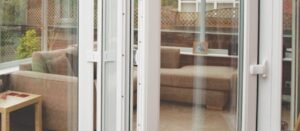
When you are adjusting your uPVC door hinges, be sure to be aware that you can only adjust them as far as you want to. You can damage hinges if you are not cautious. Fortunately it is possible to repair an uPVC hinge can be repaired using a bit of patience and a few simple tools. Start by examining the uPVC hinges for indications of damage. If you notice any, you should take steps to repair them as soon as possible. You can also apply an oil-based lubricant to help hinges move smoothly. The lubricant will protect the hinges against corrosion and wear. Ultimately, it's worth taking the time to fix your uPVC hinges, since they're an essential part of any home.
Butt hinges
Butt hinges are a form of door hinge that is used for both exterior and interior doors. They are available in a variety of sizes and are very versatile. They are also easy to install and don't require any special tools. They can withstand the weight of a door and are often used in residential buildings. In contrast to other hinges Butt hinges are sturdy and do not need to be replaced frequently.
When fitting butt hinges, it is crucial to make sure that the dimension of the hinge plate is correct. Using the right hinge plate will ensure that your window or door closes properly. Also, make sure that the holes are drilled into both surfaces at the same distance and the same size. This will avoid damage and a misalignment of the hinges.
In addition to ensuring that the hinge plates are positioned correctly, you must also make sure that the right screws are used to fasten them. This will help to ensure that the hinges are secure and will not be damaged by rust or other elements. Use screws of high-quality to prevent hinges from slipping off or breaking.
Different types of hinges can be used on doors made of uPVC. Repair My Windows And Doors of these types is the butt hinge which is used most often on traditional uPVC doors. This type of hinge is connected to the frame by pins. It is able to handle the weight of door sashes and offer an excellent level of security.
Flag hinges are also popular. They have the knuckleplate in the shape of a flag with an opening that permits full movement and rotation. This hinge is small, attractive and an extremely popular choice for uPVC doors.
There are a variety of methods used to manufacture butt hinges, including forming, extrusion, cutting, and casting. Each method has its pros and drawbacks. For instance, while casting is a cost-effective and fast procedure, it can be difficult for precise tolerances to be achieved. However, casting and machining can provide a high degree of precision.
Flag hinges
Hinges are the unsung heroes of door functionality that allow them to open and close smoothly. They are a crucial part of all uPVC doors, and making sure they work properly is important for their overall safety and security. It's therefore important to select a high-quality set of hinges for your uPVC doors. There are many options to choose from.
The flag hinge is one of the most common kinds of uPVC doors hinges. It can be present on modern PVCU doors and on traditional PVCU hinges. These hinges can handle heavy loads, and are designed to be simple to use and offer maximum load bearing. They can also rotate in a 360-degree range which makes them easy to adjust.
In contrast to other hinges, uPVC door hinges are self lubricating. They don't squeak over time and are ideal for applications that require low decibels. They are also lightweight and don't put too much stress on the door sash or frame. They come in a range of colours and sizes, and are simple to put up and take down.
Installing a uPVC with flag hinges starts by placing the frame on an even surface or bench. Install the hinge plate on the hinge body pin. You should feel a thump as you move the hinge plate onto the pin, which aligns with the drilled holes and sits flush with the sash. Then, screw the plate onto the sash.
Make use of a fixing jig when you are replacing existing hinges to drill holes in the proper position. It is recommended to install the first sash piece bush, then the frame piece bush, and then the hinge pin. Once the hinge has been installed ensure that it's secure and attach the door to the frame.
The durability and functionality of your uPVC hinges for doors is dependent on the hinge you select. The type of hinge you choose depends on the size of your door and its weight. Most doors require two or more hinges to ensure stability and smooth movement. You should also search for a reputable manufacturer that will listen to your application specifications and needs.
Adjusting uPVC door hinges
uPVC door misalignment or loosening is a common problem. This can cause lock issues and draughts. There are simple solutions to solve this issue and make sure that your uPVC is correctly fitted into the frame. The first step is to make sure that the gap between the door and frame is equal at both the top and bottom. If you discover that it isn't, then the hinges must be adjusted. Luckily, this is easy to do and doesn't require any special tools or knowledge.
To check if your uPVC door is misaligned or not, you can use a standard spirit level to determine the gaps between the top and bottom of the frame. Then, close and open the door, and observe whether it shifts in or out of alignment. If it does move then the hinges must be adjusted. If you're not sure of how to do this, ask an expert for assistance.
It's important to know the kind of hinges you have on your uPVC doors before you can adjust them. There are three main types: butt hinges, flag hinges and T hinges. Butt hinges are found on older uPVC door frames and provide limited adjustment. Flag and T hinges allow for greater control, including lateral, vertical and compression movements.
Depending on the type that you have, you might need to loosen the screw that secures the hinge and then remove the cap to access the adjustment slots. Then you can employ an Allen wrench to make the required adjustments. Once the adjustment has been completed, tighten the screw. Test the lock to make sure that it works properly.
If you're still not sure if your uPVC door isn't fitting correctly Try changing the hinges on the side of the frame. You can also move it slightly away from the entrance of the door to loosen or towards it to tighten the strike plate. If this doesn't work, it could be required to replace the lock and strike plate.